Neurodivergent Burnout in Couples:
A Deconstructive & Systems-Based Approach
1 AASECT continuing education credit included
A 75-minute training for clinicians on Autistic and ADHD burnout, masking, and the impact of environmental mismatch & practical ways to support neurodivergent clients.
Why Couples Stay Stuck (Even When They're Trying)
❌ Most couples assume their struggles come down to communication, effort, or compatibility.
But often, the real issue is something less visible:
unspoken cultural expectations, productivity pressure, and relational norms that don’t match your actual capacity.
Training
$59
Top features
-
75-minute training, with downloadable handouts and slides
- 1 AASECT Continuing Education Credit

Burnout in neurodivergent is often misunderstood. What looks like:
❌ avoidance
❌ disengagement
❌ lack of motivation
...is often something else entirely -
a system that has been chronically overextended.

This training offers a different framework.
Instead of asking, "what's wrong?"
We'll explore:
👉 What has this person been navigating—and at what cost?
Instead of asking, "why aren't we doing this better?"
We'll explore:
👉 What expectations are we trying to meet—and do they actually fit us?
If you’ve ever thought:
“Why does this feel so hard?”
“Why do we keep missing each other?”
“Why does everything feel like too much?”
This free tool helps you identify the hidden expectations and pressures shaping your relationship - so you can understand what’s actually happening beneath the surface.
What this Training Teaches:
In this 75-minute training, you’ll learn:
✅ What neurodivergent burnout is—and how it differs from traditional burnout models
✅ How Autistic and ADHD burnout show up in clinical practice
✅ The role of masking and why it develops
✅ How minority stress and environmental mismatch contribute to burnout
✅ Why clients may experience:
-
❌ task paralysis
-
❌ shutdown
-
❌ emotional overwhelm
✅ How to identify and deconstruct hidden structural pressures impacting relationships (like productivity norms, implicit expectations, and independence myths)
✅ A neurodivergent-affirming framework for understanding capacity, regulation, and recovery

Why this Matters:
This training helps clinicians move away from:
-
❌ deficit-based interpretations
-
❌ “lack of motivation” framing
-
❌ compliance-focused interventions
-
❌ encouraging masking as the primary solution
And toward:
-
✅ supporting rhythm-aligned relationships
-
✅ understanding adaptive responses
-
✅ reducing shame and internalized ableism
-
✅ supporting sustainable functioning
-
✅ aligning environments with capacity
Learning Objectives:
By the end of this training, participants will be able to:
✅ Differentiate neurodivergent burnout from traditional burnout frameworks.
✅ Explain burnout using a capacity–demand model that accounts for neurodivergent nervous systems.
✅ Describe autistic and ADHD burnout through the lens of rhythms and environmental mismatch.
✅ Identify how masking, minority stress, and structural expectations contribute to chronic capacity depletion
✅ Apply a neurodivergent-affirming framework to conceptualize and support burnout in couples work.
Who This Is For:
-
Mental health professionals
-
Educators
-
Coaches
-
Leaders
Participants will leave with:
-
A clearer understanding of burnout beyond traditional models
-
Language to explain burnout in an affirming, non-pathologizing way
-
A framework for recognizing when clients are operating beyond capacity
-
Greater confidence supporting neurodivergent clients without reinforcing masking
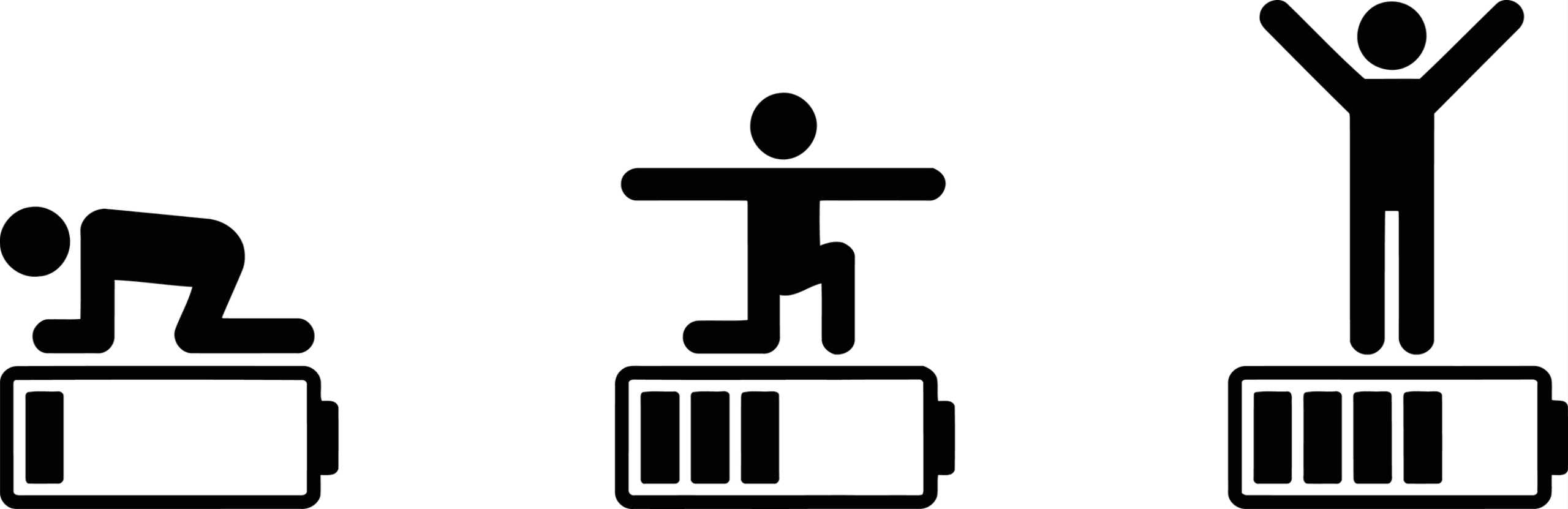
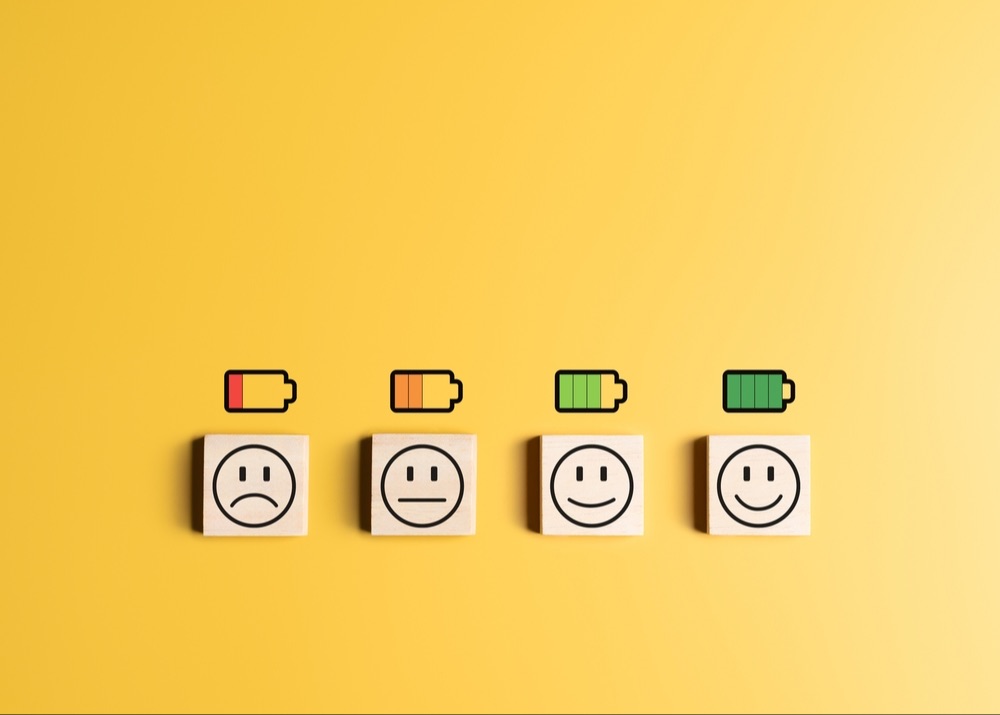
Burnout isn’t just about stress—it’s about sustained mismatch without enough support or relief.
This training will help you better understand what your clients are experiencing—and how to support them in ways that are both effective and affirming.
A Sneak Peak of What's Inside:
-
✅ Burnout Support and Prevention Checklist for Couples - this neurodivergent-affirming resource includes strategies for reducing environmental and cognitive demands, supporting sensory and nervous system regulation, decreasing masking pressure, and building executive functioning supports and scaffolding. It also provides guidance for pacing recovery, adjusting expectations during high-stress periods, and creating sustainable systems for daily functioning, communication, and relational support. This tool is designed for use with clients, couples, or personal application.
-
✅ Personal Strengths Resource Inventory - a visual that helps individuals recognize and name their unique strengths. It supports a shift away from deficit-based narratives and toward a more balanced, affirming understanding of how neurodivergent minds think, create, connect, and engage.
-
✅ Deconstructing Structural Pressures Couples Reflection Tool - a 9-page, neurodivergent-affirming worksheet designed to help partners identify and externalize common relationship stressors rooted in societal expectations and environmental mismatch. This guided resource supports couples in recognizing patterns related to productivity, communication, rest, support, and conflict pacing, while offering structured reflection prompts and a step-by-step Relationship Redesign Plan to help translate insight into practical, sustainable changes. It is designed for use in clinical work, couples sessions, or personal reflection to foster greater understanding, flexibility, and capacity-aligned connection.
-
✅ Organizational Resources Checklist - a practical, systems-focused visual that helps identify environmental supports that reduce burnout and improve functioning. This resource provides strategies across executive functioning, sensory needs, communication, and workplace or relational structures—supporting the creation of environments that align with neurodivergent needs rather than requiring constant adaptation.
-
✅ Relationship Rhythm and Integrity Pillars - a visual that describes patterns that support healthy, flexible connection between partners. Presented through green, yellow, and red zones, they illustrate how attuned rhythm and relational integrity create safety, balance, and repair in relationship. The second page operationalizes examples of helpful dialogue and action items to move from rupture to repair.
Disclaimer: The Neurodivergent Burnout in Couples Work Training is an educational and reflective tool. It is not therapy, clinical supervision, diagnosis, or a substitute for mental health care. Professionals are responsible for applying these materials within the scope of their own training, license, and ethics.