Symbolic Emotion Tools for Connection and Expression
A simple, accessible way to understand and share emotional experience -- especially when words are hard to find
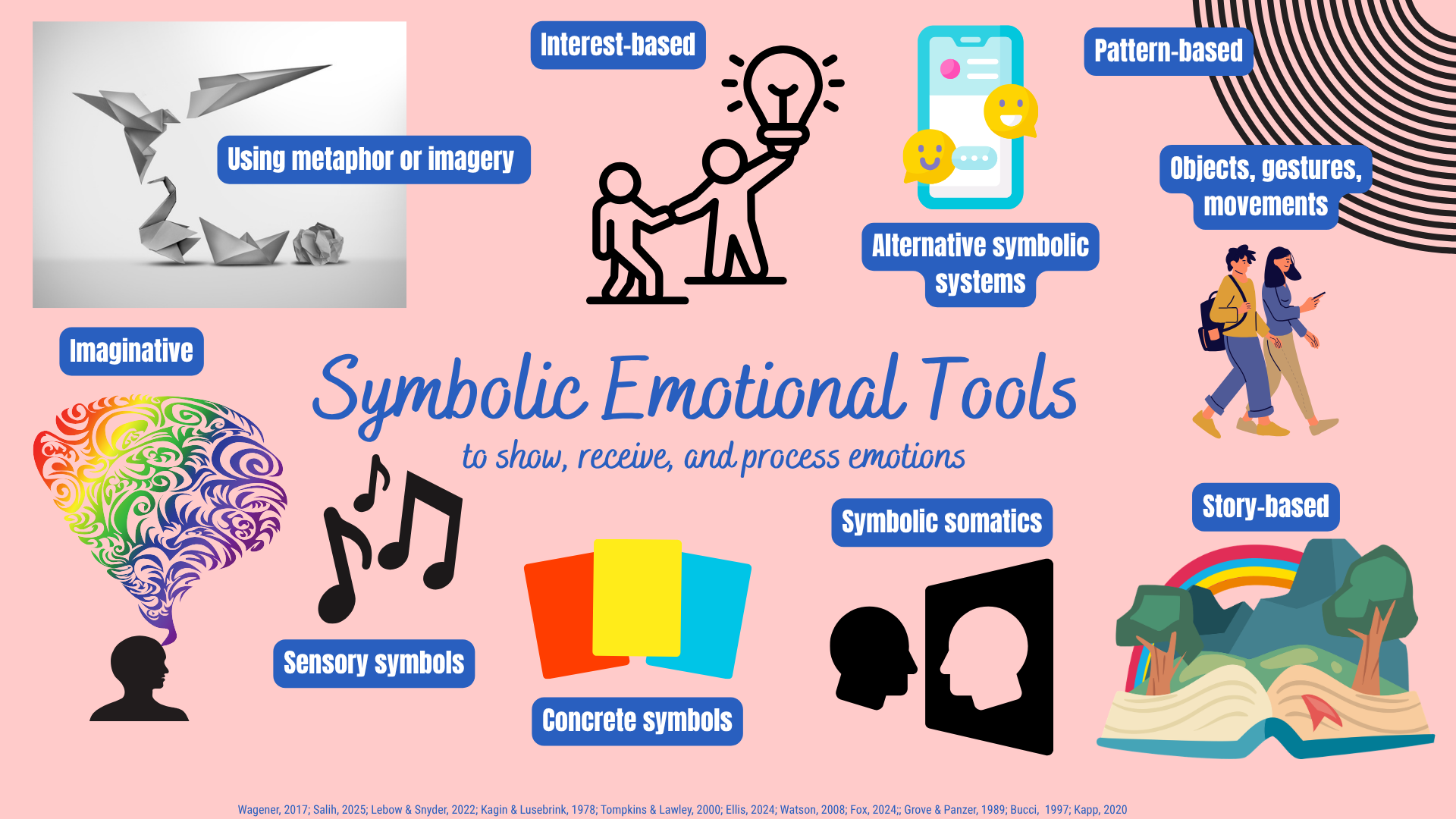
Sometimes emotions don’t come in clear words.
This video introduces symbolic emotional tools that help you notice, understand, and communicate what’s happening internally -- without needing to “get it right.”
What is this video?
This short video introduces symbolic ways of understanding emotion through imagery, sensation, and nonverbal experience.
It offers a different pathway into emotional awareness -- especially for those who find language-based approaches limiting, overwhelming, or unclear.
Why This Matters:
Many people experience emotions that are:
✅ difficult to name
✅ hard to express
✅ overwhelming or unclear
✅ disconnected from language
Symbolic tools create a bridge between:
👉 internal experience
👉 shared understanding
What You'll Learn:
In this video, you'll learn how to:
✅ Notice and understand emotional experience using symbols and imagery
✅ Express what you’re feeling without needing precise language
✅ Communicate more clearly without verbal dialogue in relationships
✅ Build shared understanding through collaborative meaning-making
How to Use this Video:
✅ Individually, for self understanding
✅ With a partner, to support communication
✅ Alongside therapy, as a shared tool for expression
Who is this For:
✅ Individuals exploring their emotional experience
✅ People navigating communication in relationships
✅ Anyone who finds it difficult to "put feelings into words"
Reframe
✅ There is no single “right” way to experience or express emotion.
✅ These tools support curiosity, flexibility, and connection -- not perfection.
Important Note:
This resource is for educational purposes only and is not a substitute for therapy, diagnosis, or individualized clinical care. Engaging with this material does not establish a therapeutic relationship. These tools are intended to support understanding and communication -- not to interpret, label, or define another person’s experience.